
Is Annual HVAC Maintenance Worth It? Here’s the Short Answer
Annual HVAC maintenance is it worth it for most Glendale, AZ homeowners — especially when your system is fighting 110°F+ summers that push equipment harder than almost anywhere else in the country. The short answer is yes, and here is why:
Quick Answer: When Annual HVAC Maintenance Pays Off
- Older systems (5+ years): Higher risk of failure makes preventive care a clear win
- Active manufacturer warranties: Most require documented annual service or claims can be denied
- Desert climates like Glendale: Extreme heat, dust, and long runtime hours accelerate wear faster than average
- Energy savings: A neglected system can lose efficiency every year, quietly inflating your utility bills
- Avoiding emergencies: Small issues like a worn capacitor can be caught before they become a costly breakdown
But the full picture is a little more nuanced. Some homeowners wonder if they are just paying for a subscription they do not need. Others are not sure what a maintenance visit actually covers, or whether a formal plan beats simply calling someone when something breaks. Those are fair questions — and they deserve straight answers, not a sales pitch.
With over 20 years in the HVAC trade, I’m Joshua Michael Bartlett, founder of CDL Mechanical, and I have seen how annual HVAC maintenance is it worth it time and again for homeowners who want their systems to last and their energy bills to stay manageable. Whether you have a brand-new unit or one that has been running Glendale summers for a decade, this guide will help you make a confident, informed decision.
What is an HVAC Maintenance Plan and What Does It Include?
An HVAC maintenance plan is a structured, proactive service agreement between you and a professional heating and cooling company. Instead of waiting for your air conditioner to blow warm air in the middle of a scorching July afternoon, a maintenance plan schedules regular check-ups to keep the system running at peak performance. Think of it like a dental cleaning or an oil change for your car—it is proactive care designed to catch small issues before they spiral into major mechanical failures.
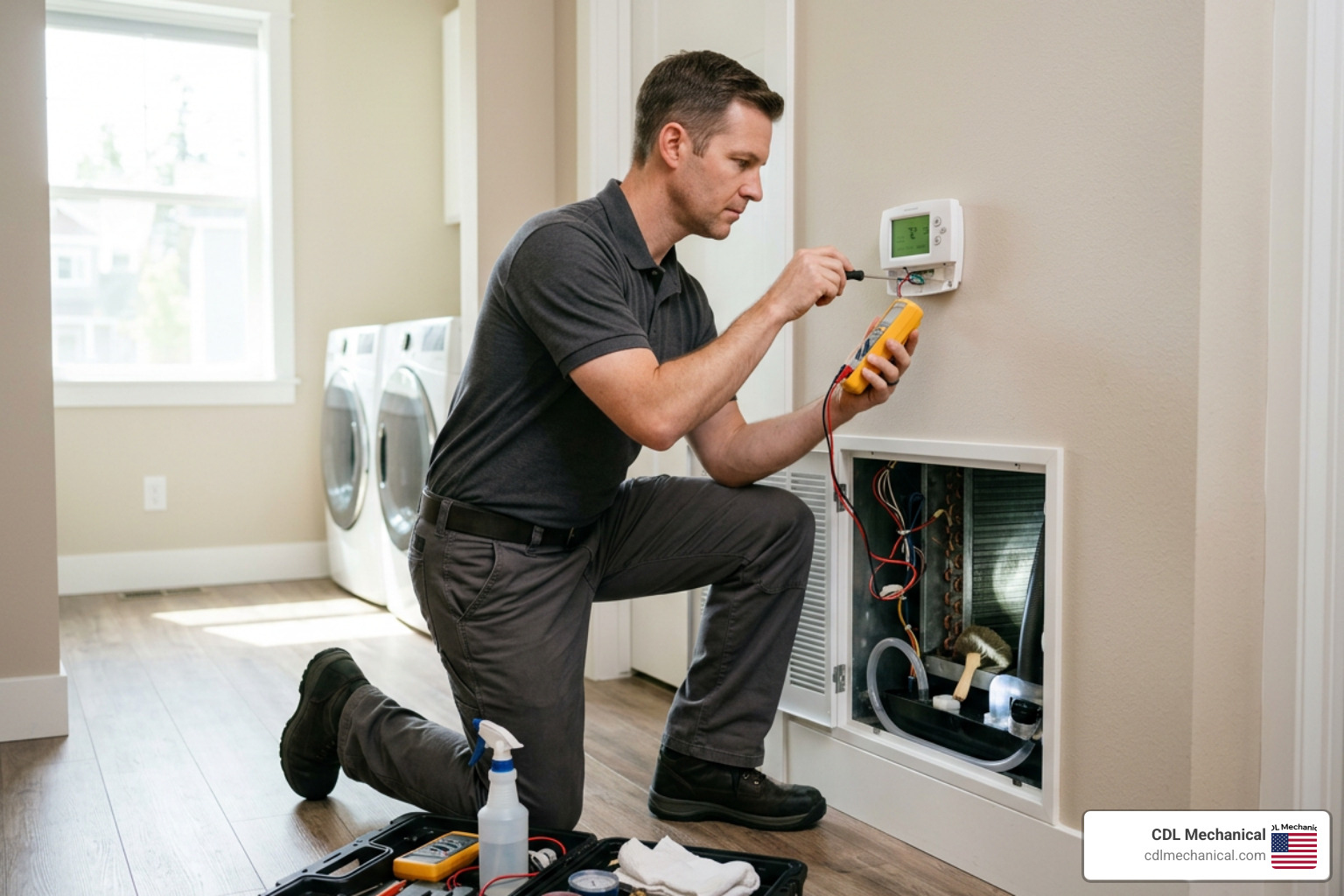
When a professional technician arrives at your home for a scheduled tune-up, they do not just replace your air filter and call it a day. A comprehensive maintenance visit involves a deep dive into both the electrical and mechanical components of your system.
Here is what a thorough, professional HVAC maintenance visit typically includes:
- Thermostat Calibration: Ensuring your thermostat reads the indoor temperature accurately so your system does not run longer than necessary.
- Electrical Connection Inspections: Tightening loose wires, measuring voltage, and checking currents on motors. Loose electrical connections are a primary cause of system short-circuits and component failures.
- Coil Cleaning: Cleaning both the indoor evaporator coil and the outdoor condenser coil. Dirt on these coils acts like a thick winter coat, forcing your system to work twice as hard to reject heat.
- Condensate Drain Line Flushing: Clearing out dust, algae, and debris from the drain lines to prevent water backups, which can cause severe ceiling and drywall damage.
- Refrigerant Level Checks: Verifying that your system has the exact charge specified by the manufacturer. Low refrigerant indicates a leak, while overcharging strains the compressor.
- Lubrication of Moving Parts: Reducing friction in fan motors and bearings to prevent mechanical wear and lower energy consumption.
- Safety Control Testing: Checking limit switches, safety cut-outs, and testing for carbon monoxide or gas leaks on heating elements.
Understanding these steps helps demystify the process. For a complete breakdown of what goes on behind the scenes, you can read our comprehensive guide on HVAC Maintenance 101 for Every Homeowner. If you are gearing up for the warmer months, you might also want to review our handy Spring AC Tune-Up Checklist to see how we prepare your system to fight the desert heat.
Why Annual HVAC Maintenance Is It Worth It for Glendale Homeowners
Living in Glendale, Peoria, or Surprise, AZ means our air conditioning systems face some of the most brutal operating conditions in the country. In milder climates, an AC unit might run for a few hundred hours a year. In the Phoenix metro area, our systems regularly log thousands of runtime hours annually. This extreme workload makes routine care absolutely essential.
When evaluating whether annual HVAC maintenance is it worth it, it helps to look at the tangible benefits that directly impact your comfort and your wallet:
1. Significant Energy Efficiency Gains
Dust, pollen, and desert grit constantly accumulate on your system’s internal components. This buildup restricts airflow and insulates the coils, making it much harder for the system to transfer heat. According to the U.S. Department of Energy, regular maintenance can help recover lost efficiency, keeping your monthly utility bills as low as possible. When your system runs cleanly, it uses less power to achieve your desired indoor temperature.
2. Maximizing System Lifespan
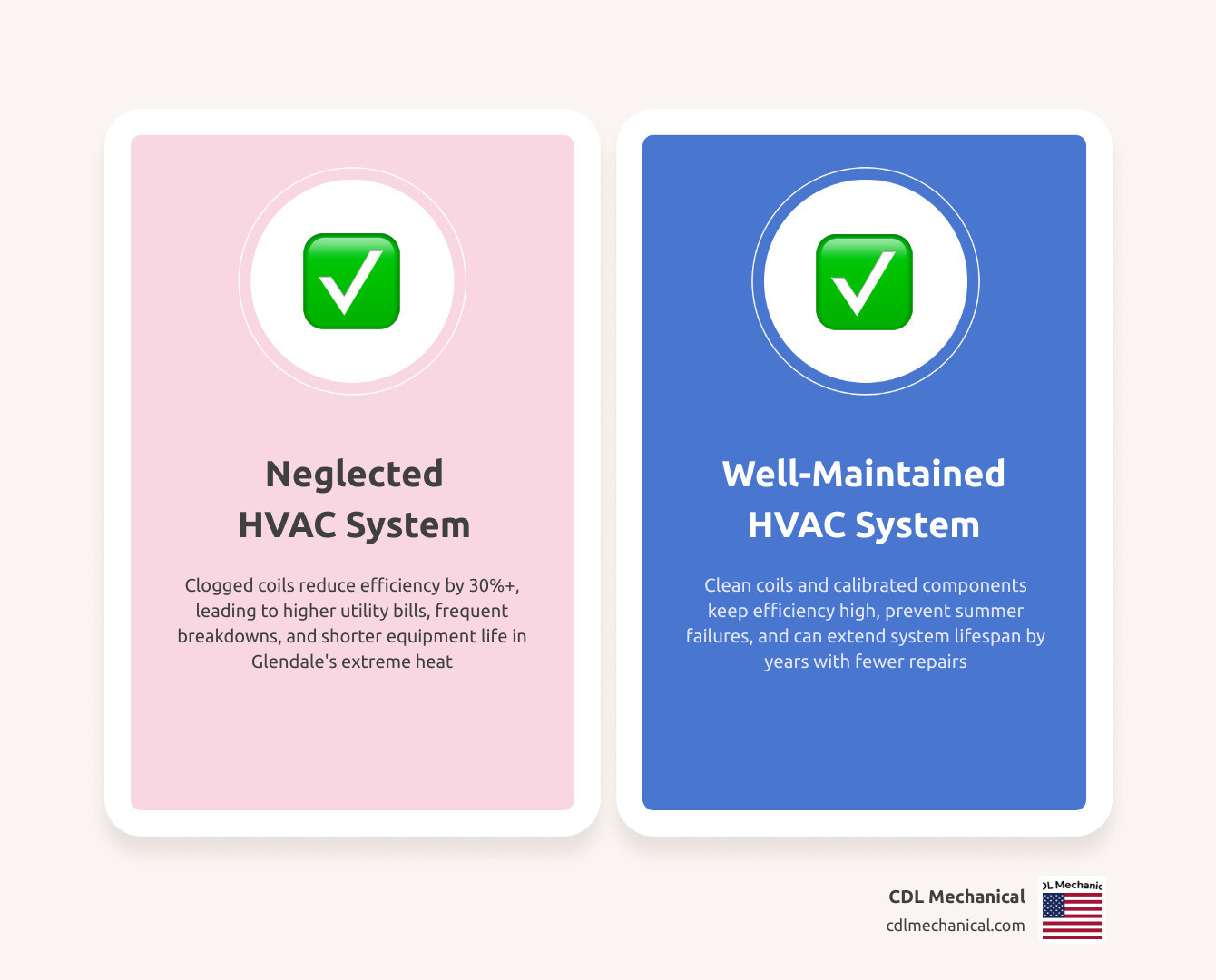
An HVAC system is one of the most expensive investments you will make in your home. A neglected unit under the strain of Arizona summers might only last 8 to 10 years before requiring a complete replacement. On the flip side, a well-maintained system that receives regular professional attention can easily last 15 to 20 years. Proactive care ensures that components do not wear out prematurely due to unnecessary mechanical stress.
3. Fewer Emergency Breakdowns
There is nothing worse than your air conditioner failing on a Saturday afternoon when outdoor temperatures exceed 115°F. Not only is it incredibly uncomfortable, but it can also be a safety hazard for children, elderly family members, and pets. Routine maintenance catches weak components—like a bulging capacitor or a fraying fan belt—long before they cause a total system shutdown.
To explore these advantages in more detail, check out our article on the 5 Benefits of Routine AC Maintenance. It is clear that A Little TLC Goes a Long Way in Preventing HVAC Emergencies, saving you from the stress of unexpected home comfort disruptions.
How to Determine if an Annual HVAC Maintenance Is It Worth It for Your System
While regular service is generally recommended for every home, the urgency and overall return on investment can vary depending on your specific equipment:
- Age of the System: If your system is brand new, annual maintenance is crucial to validate and protect your manufacturer’s parts warranty. If your system is older than 5 or 6 years, components are naturally approaching the end of their optimal lifespan, making regular inspections vital for catching wear before it leads to a cascade of failures.
- Type of Equipment: Heat pumps run year-round in our region, handling both summer cooling and winter heating. Because they do not get a seasonal break, they require even more consistent maintenance than standalone air conditioners or furnaces.
- Household Needs: Homes with pets, residents who suffer from asthma or severe allergies, or households with young children rely heavily on high indoor air quality and consistent temperature control, making routine service highly valuable.
If you are trying to decide if a structured plan fits your lifestyle, you can read more about Why Your HVAC System Craves a Service Agreement to see how these agreements are designed with long-term system health in mind.
When Is an Annual HVAC Maintenance Is It Worth It Compared to Pay-As-You-Go?
Some homeowners prefer to pay for individual service calls on an as-needed basis rather than committing to a maintenance plan. While this is always an option, a structured Maintenance Plan usually offers several distinct advantages that pay-as-you-go service cannot match:
- Priority Scheduling: During peak summer months, HVAC companies are flooded with emergency repair calls. Maintenance plan members bypass the general queue, receiving priority service to get their systems back online quickly.
- Loyalty Discounts: Most plans include discounts on parts and labor if a repair ever becomes necessary, which can quickly offset the cost of the plan during a single repair visit.
- No-Forget Convenience: A good plan takes the burden of remembering to schedule service off your shoulders. The company will reach out to you when it is time for your spring or fall tune-up.
To help you compare the two approaches, we have broken down the key differences below:
| Feature | Structured Maintenance Plan | Pay-As-You-Go Service |
|---|---|---|
| Service Scheduling | Proactive, scheduled reminders | Reactive, initiated by homeowner |
| Emergency Priority | High (Priority queue bypass) | Standard wait times during peak season |
| Parts & Labor Discounts | Included (typically 10% to 20% off) | None (Standard rates apply) |
| Warranty Compliance | Documented automatically | Homeowner must track and prove records |
| Diagnostic Fees | Often waived or heavily discounted | Full standard fee charged per visit |
How Often Should You Service Your HVAC in Glendale, AZ?
Because of our unique desert climate, scheduling is everything. In milder parts of the country, a single annual visit might suffice. However, in Glendale and surrounding communities like Peoria, Phoenix, and Goodyear, we highly recommend a bi-annual service schedule.
The ideal schedule consists of two targeted visits per year:
- The Spring Tune-Up (March/April): This visit focuses heavily on the cooling side of your system. Technicians will clean the outdoor condenser coils, check refrigerant levels, inspect the fan motor, and test the compressor to ensure your home is ready to handle the intense summer heat.
- The Fall Check-Up (September/October): This visit prepares your system for the cooler winter nights. The focus shifts to testing heating elements, inspecting heat exchangers for cracks, checking gas connections (if applicable), and ensuring the system transitions smoothly to heating mode.
Operating an HVAC system in the desert without this seasonal cadence is like driving your car across the country without ever checking the oil. For a deeper look into why timing matters, consult The Ultimate Guide to HVAC Service Frequency to keep your system perfectly synchronized with our local seasons.
Frequently Asked Questions About HVAC Maintenance
Can homeowners perform any HVAC maintenance tasks themselves?
Yes! While complex tasks involving electrical wiring, refrigerant handling, and internal mechanical components must always be left to licensed, EPA-certified professionals, there are several simple tasks you can do to support your system:
- Change Air Filters Regularly: This is the single most important task a homeowner can perform. Check your filters monthly and replace them at least every 30 to 90 days. If you have pets or suffer from allergies, you may need to change them more frequently.
- Keep the Outdoor Unit Clear: Maintain at least two feet of clearance around your outdoor condenser unit. Trim back shrubs, weeds, and wild desert plants, and clear away any windblown debris or leaves that could restrict airflow.
- Clean Return and Supply Vents: Periodically vacuum or wipe down your indoor vents to prevent dust buildup from restricting your home’s airflow.
What common issues can be prevented by annual HVAC maintenance?
Regular maintenance is highly effective at stopping common mechanical failures before they start:
- Frozen Evaporator Coils: Dirt buildup on the indoor coil or restricted airflow from a clogged filter can cause the coil’s temperature to drop below freezing, turning your system into a block of ice and stopping all cooling.
- Refrigerant Leaks: Small vibrations can cause copper refrigerant lines to rub against other components, creating tiny pinhole leaks. Regular inspections catch these rubs before your system loses its charge.
- Electrical Failures: Capacitors store electrical energy to start your system’s motors. Extreme summer heat degrades capacitors over time. Catching a bulging capacitor during a routine tune-up prevents it from failing and potentially damaging the expensive compressor motor.
Does skipping annual maintenance void my manufacturer warranty?
In many cases, yes. Major HVAC manufacturers like Trane, Carrier, and Lennox require documented annual professional maintenance to honor their parts warranties. If a major component like a compressor or heat exchanger fails within the warranty period, the manufacturer may request copies of your professional service records. If you cannot provide proof of annual maintenance, your warranty claim could be denied, leaving you responsible for the cost of the replacement parts.
Conclusion
When you look at the big picture—preventing emergency summer breakdowns, keeping your monthly energy bills under control, maximizing the lifespan of your equipment, and protecting your valuable manufacturer warranty—it is easy to see that annual HVAC maintenance is it worth it for homeowners in Glendale and the surrounding Phoenix metro area.
At CDL Mechanical, we are a family-owned company dedicated to keeping our neighbors comfortable through every extreme Arizona season. We treat our customers like family, delivering dependable, honest, and expert care without high-pressure sales tactics.
Whether you need a quick tune-up before the summer heat hits or want to explore our proactive maintenance options, we are here to help. Contact us today to schedule your next Air Conditioning Maintenance visit and enjoy worry-free comfort all year long!