
Why Knowing How to Prevent HVAC Emergencies with Maintenance Could Save Your Summer in Glendale, AZ
How to prevent HVAC emergencies with maintenance is one of the most important things a Glendale homeowner can do — especially when summer temperatures routinely push past 110°F and a broken AC is more than just an inconvenience. It can be a genuine health risk.
Here is a quick overview of how to prevent HVAC emergencies through regular maintenance:
- Change air filters every 30 to 90 days to prevent airflow restriction and system overheating
- Schedule professional tune-ups twice a year — spring before cooling season, fall before heating season
- Flush the condensate drain line every three months to prevent clogs and water damage
- Keep at least 2 feet of clearance around your outdoor unit to ensure proper airflow
- Watch for early warning signs like unusual noises, odd smells, short cycling, or uneven temperatures
- Use a smart thermostat to monitor system performance and catch issues before they escalate
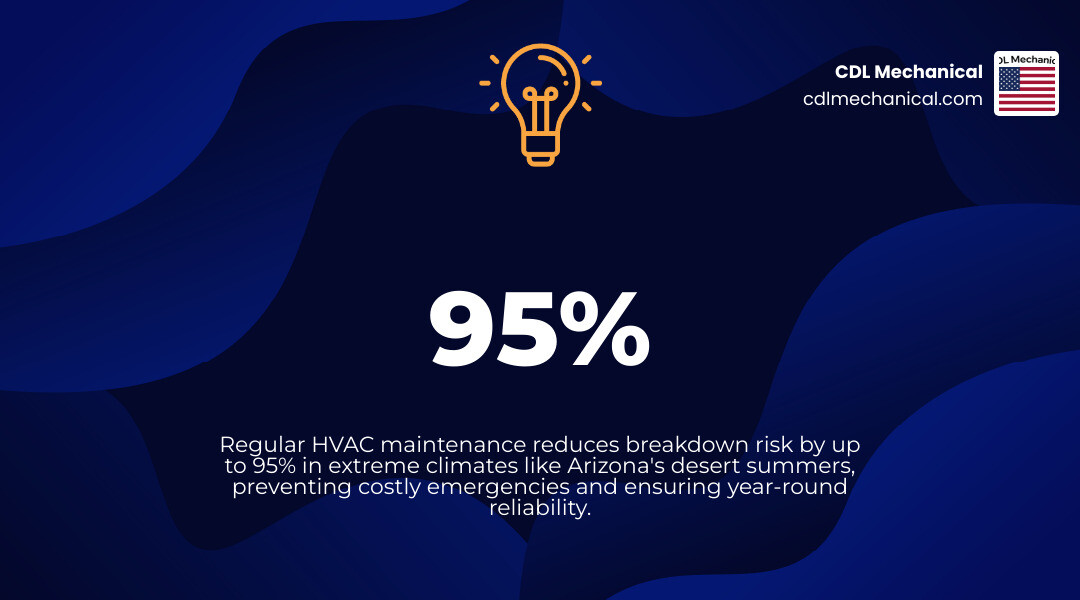
The stakes are high in the Arizona desert. Research consistently shows that 70% of homeowners experience an HVAC breakdown during peak seasons — and most of those failures are preventable. Regular maintenance can cut the risk of a costly breakdown by up to 95%, while also reducing monthly energy consumption by 10 to 20%. For families in Glendale, where the heat shows no mercy, that kind of reliability is not a luxury. It is a necessity.
I’m Joshua Michael Bartlett, founder of CDL Mechanical and an HVAC professional with over 20 years of hands-on experience helping homeowners understand how to prevent HVAC emergencies with maintenance before they turn into costly, dangerous situations. In this guide, I’ll walk you through everything you need to know to protect your home, your family, and your comfort all year long.
Defining the Crisis: What Constitutes an HVAC Emergency?
In our neck of the woods, particularly in cities like Peoria, Surprise, and Goodyear, an HVAC failure is rarely just a “repair call.” It often escalates into a full-blown emergency. But what exactly qualifies as an emergency? At its core, an HVAC emergency is any situation that poses a direct threat to your health, safety, or property.
Extreme Temperatures and Health Threats
When it’s May 2026 and the Phoenix sun is beating down, indoor temperatures can skyrocket to dangerous levels within hours of an AC failure. This is a critical health risk for vulnerable populations, including infants, the elderly, and those with chronic respiratory or cardiovascular conditions. Heatstroke and severe dehydration are real possibilities when your home loses its ability to cool.
Respiratory Safety and Property Damage
Beyond the heat, a failing system can compromise your indoor air quality. If a blower fan fails or a filter becomes so clogged it collapses, dust and allergens circulate unchecked. Furthermore, property damage is a major concern. A clogged condensate drain line can back up, causing gallons of water to spill into your attic or through your ceiling, leading to mold growth and structural rot.
Gas Leaks and Electrical Hazards
For those with gas furnaces in areas like Buckeye or Litchfield Park, a cracked heat exchanger is a silent but deadly emergency that can leak carbon monoxide into your home. Similarly, frayed wiring or loose electrical connections within your unit are fire hazards. This is why Air Conditioning Maintenance isn’t just about comfort; it’s about basic home safety.
How to Prevent HVAC Emergencies with Maintenance: The Proactive Approach
We like to tell our customers that your HVAC system is like a high-performance vehicle. You wouldn’t drive a car for 100,000 miles without an oil change, yet many people expect their AC to run 24/7 in the Arizona heat without a second thought. Understanding how to prevent HVAC emergencies with maintenance starts with shifting from a reactive mindset to a proactive one.
The statistical evidence is clear: homeowners who stick to a regular maintenance routine are 50% less likely to face an unexpected breakdown. By catching a worn capacitor or a small refrigerant leak in March, you prevent the total compressor failure that would have happened in July.
Comparing the Approaches
| Feature | Reactive (Emergency) Repair | Proactive Maintenance |
|---|---|---|
| Cost | Premium emergency rates | Budget-friendly scheduled service |
| Risk of Breakdown | High (70% in peak season) | Low (Reduced by up to 95%) |
| Energy Efficiency | Decreases as parts struggle | Optimized (Saves 10-20% on bills) |
| System Lifespan | Shortened by excessive strain | Extended (Can double remaining life) |
| Peace of Mind | Constant worry during heatwaves | Confidence in system reliability |
If you are looking for Ac Maintenance Goodyear Az/, the goal is to identify and resolve “The Big Four” causes of failure: dirty filters, clogged drains, refrigerant leaks, and electrical corrosion.
Essential Maintenance Tasks for Year-Round Reliability
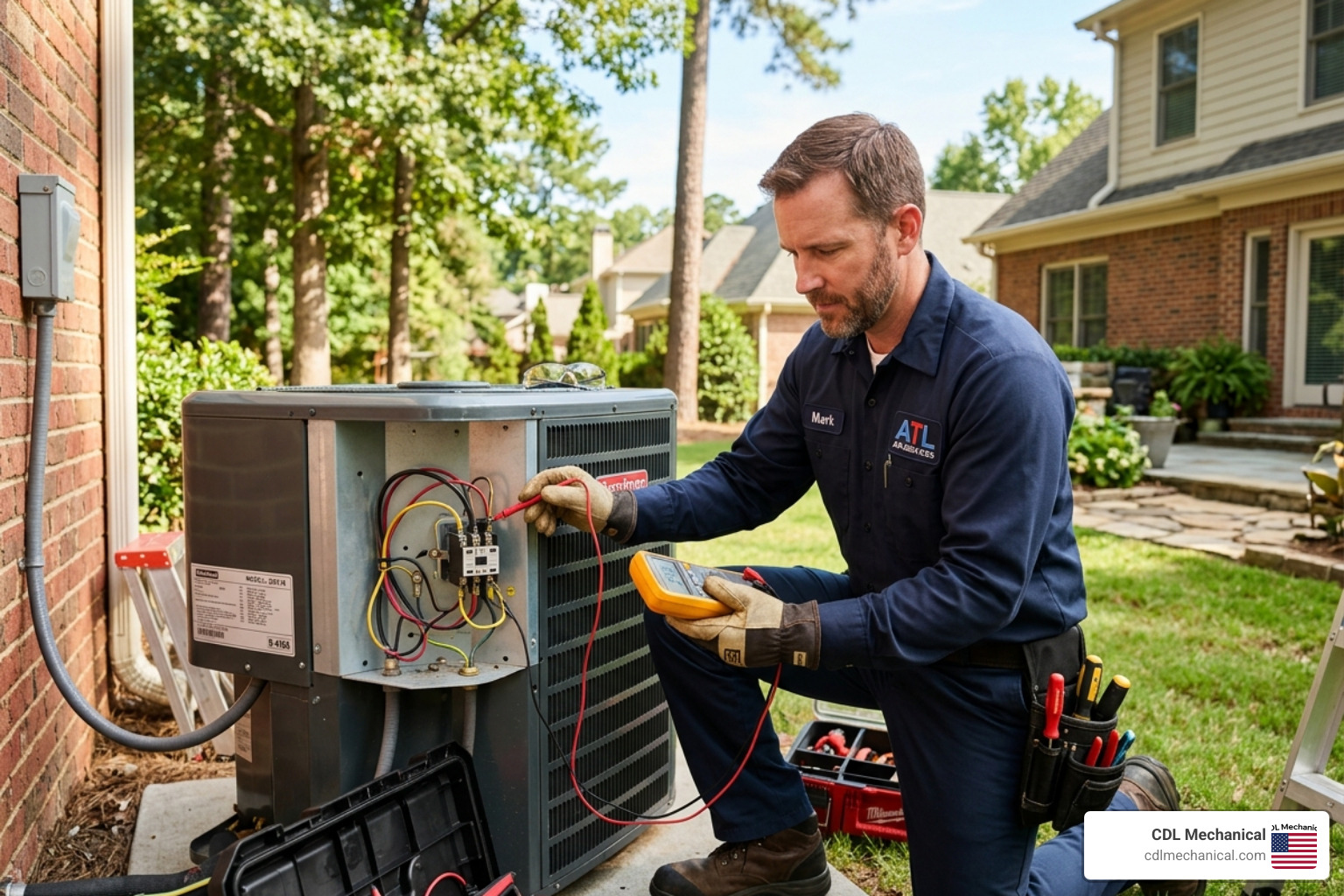
To keep your system humming through the intense Valley summers and the occasional winter freeze, you need a two-pronged strategy: DIY habits and professional oversight.
How to prevent hvac emergencies with maintenance through DIY habits
You don’t need a tool belt to perform some of the most impactful maintenance tasks. In fact, about 32% of homeowners who perform basic cleaning see a significant drop in repair needs.
- Filter Changes: This is the “humble” hero of HVAC care. A dirty filter restricts airflow and can reduce system efficiency by as much as 15%. In dusty areas like Scottsdale or Surprise, check your filters every 30 days. If they look gray or furry, swap them out.
- The Vinegar Flush: Every three months, pour a cup of distilled white vinegar down your condensate drain line. This kills algae and slime that love to grow in our humid cooling coils, preventing the clogs that lead to water damage.
- Landscaping Clearance: Our desert plants grow fast! Ensure you have at least 2 feet of clear space around your outdoor unit and 5 feet above it. If the unit can’t “breathe,” it can’t dump heat, leading to a system-wide shutdown.
- Visual Inspections: Take a walk around your unit. Look for frayed wires, ice on the copper lines, or pools of water. Catching these early is a core part of your Spring Ac Tune Up Checklist/.
Professional inspections: How to prevent hvac emergencies with maintenance
While DIY tasks are great, there are technical aspects of your system that require a professional touch. A licensed technician has the tools to see what the naked eye cannot.
- Electrical Tightening: Over time, the vibration of your system naturally loosens mounting hardware and electrical connections. A pro will tighten these to prevent electrical resistance and potential fires.
- Refrigerant Levels: Refrigerant is not “fuel”—it shouldn’t run out. If it’s low, you have a leak. A pro will find the leak, seal it, and recharge the system to factory specs.
- Sensor Calibration: We ensure your thermostat and internal sensors are communicating correctly so your system doesn’t “short cycle” (turning on and off too rapidly), which is a major cause of motor burnout.
- Component Lubrication: Friction is the enemy of any mechanical system. We apply manufacturer-recommended lubricants to motors and bearings to keep them spinning freely.
When Finding The Real Pros For Your Phoenix Ac Maintenance Needs/, look for a team that provides a comprehensive report of your system’s “vitals.”
Early Warning Signs and Smart Technology Integration
Your HVAC system usually tries to tell you it’s struggling long before it actually quits. Learning to listen to these “cries for help” is essential to how to prevent HVAC emergencies with maintenance.
The Red Flags of a Pending Emergency
- Unusual Noises: Banging, screeching, or grinding sounds often indicate a loose belt or a motor bearing on its last legs.
- Odd Smells: A “dirty sock” smell suggests mold in the coils, while a burning odor usually points to electrical overheating.
- Short Cycling: If your AC turns on for three minutes, shuts off, and turns back on five minutes later, it’s under immense strain and heading for a breakdown.
- Uneven Temperatures: If your living room is a “sauna” while the bedroom is a “freezer,” you likely have ductwork leaks or airflow obstructions.
The Power of IoT and AI Diagnostics
In 2026, smart thermostats have become a homeowner’s best friend. These devices do more than just save 8–15% on energy; they act as a 24/7 diagnostic tool. Modern smart thermostats use AI to monitor cooling patterns. If your system takes 20% longer to cool your home than it did last week, the app will send you an alert. This early detection allows you to schedule a repair on a Tuesday morning rather than calling for an emergency tech at 2:00 AM on a Sunday.
If you are in Litchfield Park, utilizing Ac Maintenance Litchfield Park Az/ services often includes a calibration check of these smart systems to ensure your alerts are accurate.
Seasonal Strategies for the Glendale Desert Climate
Living in the Valley of the Sun means our HVAC systems face unique challenges. From the “Habubs” (dust storms) of the monsoon season to the surprise overnight freezes in December, your maintenance needs change with the calendar.
Extreme Heat and Monsoon Prep
During the summer, the primary goal is heat rejection. Dust and sand from monsoons can coat your outdoor condenser fins like a blanket, trapping heat inside the unit. We recommend gently spraying your outdoor unit with a garden hose (never a pressure washer!) after a major dust storm to keep those fins clear.
Winter Freeze Protection
While we don’t get much snow, we do get hard freezes. If you have a heat pump, it relies on absorbing thermal energy from the outside air. If the outdoor unit is blocked by debris or the defrost cycle isn’t working correctly, it can freeze into a block of ice. Regular Heating Maintenance In Goodyear Az/ ensures your heat pump is ready to switch gears the moment the temperature drops.
Frequently Asked Questions about HVAC Maintenance
When should I replace my system instead of repairing it?
This is the “Repair vs. Replace” dilemma. Generally, if your system is over 12–15 years old and the cost of a single repair exceeds 50% of the value of a new unit, it’s time to upgrade. Modern systems are significantly more efficient, often paying for themselves in energy savings over a few years. Plus, new SEER2 standards ensure you’re getting the most cooling for every dollar spent.
How often should I change my filters in the Phoenix area?
While the package might say “lasts 90 days,” that doesn’t always apply to Arizona. Between the desert dust and pet dander (looking at you, Golden Retriever owners!), we recommend checking your filters every 30 days. If you live in a high-dust area like Buckeye or Sun City, monthly changes are the safest bet to prevent system strain.
Can a smart thermostat really prevent a breakdown?
Absolutely. By monitoring “run time” patterns and alerting you to anomalies, a smart thermostat helps you catch small issues before they become catastrophic failures. It’s like having a dashboard warning light for your home’s comfort system.
Conclusion
At the end of the day, your home is your sanctuary, and your HVAC system is its heart. We’ve seen how a little bit of regular attention can prevent the stress, expense, and danger of a mid-summer breakdown. Whether you’re in Glendale, Peoria, or Scottsdale, the secret to a cool, comfortable home is simple: don’t wait for a problem to happen.
At CDL Mechanical, we are a family-owned company that treats every customer like part of our own family. We know the Glendale climate because we live here too. We are committed to providing reliable, expert service that keeps your home safe and your energy bills low.
Don’t leave your summer comfort to chance. Take the proactive step today and look into a professional Maintenance Plan/ to keep your system in peak condition.
Ready to breathe easy? Protect your home with professional HVAC services in Glendale, AZ and let us take the “heat” out of your home maintenance.