
Introduction
Living in the Valley of the Sun means our HVAC systems aren’t just a luxury—they are a lifeline. When we talk about how these systems move heat, we are looking at the core of home comfort. In an arid climate like ours, the goal is to move heat out of your home in the summer and pull it back in during our chilly winter nights. The magic of this process lies in energy efficiency, specifically how modern systems can move more energy than they consume.
Understanding the Mechanics of Desert Cooling and Heating
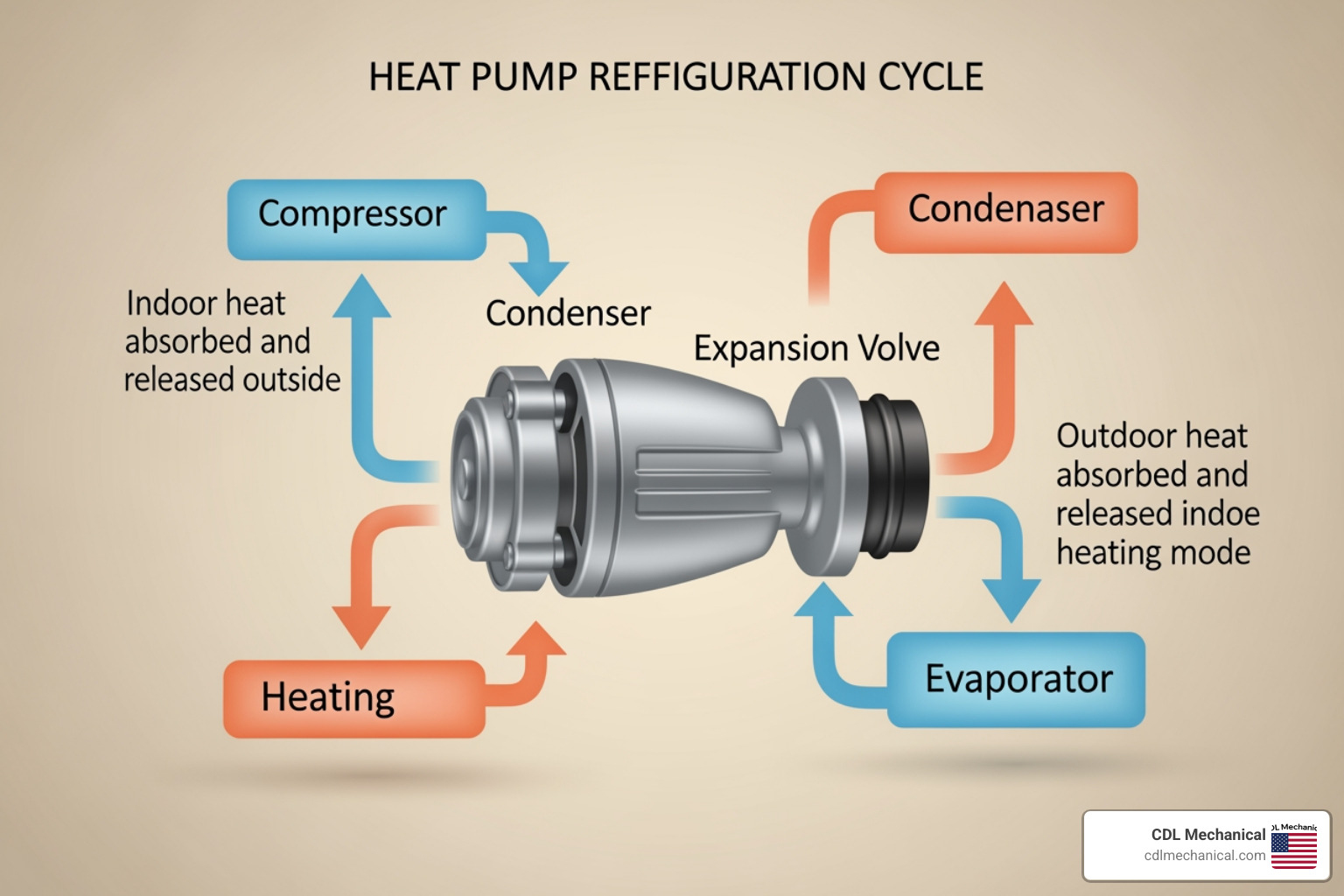
To understand if are heat pumps efficient in desert climates, we first have to look at how they work. Unlike a furnace, which creates heat by burning fuel, a heat pump is a master of heat transfer. It uses a refrigerant loop to catch heat in one place and release it in another.
The secret weapon of this system is the reverse cycle. In the summer, it acts exactly like a traditional air conditioner, absorbing heat from your indoor air and pumping it outside. In the winter, it performs a bi-directional operation. Even when the air feels “cold” to us, there is still thermal energy present. The heat pump extracts that warmth from the outdoor air and moves it inside. Because it is moving heat rather than creating it, the efficiency levels are off the charts. You can learn more about these versatile systems on our Heat Pumps page.
Distinguishing Heat Pumps from Traditional AC
Most people don’t realize that a heat pump and a traditional AC unit are nearly identical when it comes to cooling mechanics. Both use a compressor, coils, and refrigerant to chill your home. The difference lies in heating versatility. A traditional AC is a one-trick pony—it only cools. To stay warm, you need a separate furnace.
A heat pump, however, uses thermal exchange to handle both seasons. This eliminates the need for a gas line or a separate heating unit. For residents looking into a Heat Pump Litchfield Park Az, this means one less piece of equipment to maintain and a much simpler path to year-round comfort.
Are heat pumps efficient in desert climates during extreme heat?
The biggest question we get in Glendale is: “Can it handle 115°F?” In the past, older heat pumps might have struggled as the mercury rose. However, 2026 technology has changed the game. Modern units equipped with inverter-driven compressors are specifically designed for these “high-ambient” conditions.
Unlike old systems that are either 100% on or 100% off, variable-speed technology allows the heat pump to adjust its output in tiny increments. If it’s 115°F outside, the system ramps up to meet the load. As the sun goes down, it slows down to save energy. This is why high-efficiency models now boast SEER2 20+ ratings. If you are considering a Heat Pump Goodyear Az, these high-efficiency ratings are your best defense against soaring summer electric bills.
Maintaining Capacity in Triple-Digit Temperatures
When the temperature climbs, the BTU output (cooling power) of a system is put to the test. Budget units might lose 10% to 30% of their capacity once it hits 110°F. However, advanced heat pumps feature thermal protection and enhanced refrigerant flow to maintain their “punch” even in the peak of July. Because they can run continuously at lower speeds, they keep the home at a steady temperature rather than letting it get hot and then struggling to “catch up.” This reliability is a major reason why we see so many The Best Phoenix Heat Pump Service Deals For Savvy Homeowners focusing on these high-performance models.
Navigating Arid Challenges: Dust, Low Humidity, and Thermal Swings
Desert living isn’t just about the heat; it’s about the environment. Dust accumulation is a major factor here. In places like Phoenix and Surprise, dust can coat your outdoor coils, acting like a blanket that traps heat and forces the system to work harder.
We also deal with massive 40-degree temperature swings. It might be 85°F at 4 PM and 45°F by 4 AM. Heat pumps excel here because they can switch modes or adjust speeds instantly to keep you comfortable. Furthermore, we have to consider UV degradation. The intense Arizona sun can “cook” plastic components and wire insulation over time, which is Why Regular Heat Pump Service In Phoenix Is A Total Lifesaver.
Impact of Low Humidity on Heat Exchange
Humidity—or the lack of it—plays a role in how are heat pumps efficient in desert climates. In humid climates, AC units spend a lot of energy removing “latent heat” (moisture) from the air. In our dry desert air, the system can focus almost entirely on “sensible heat” (lowering the actual temperature).
While very low humidity can slightly decrease the BTU output (sometimes by about 6%), the lack of moisture actually allows for more effective evaporative cooling effects on the coils. For the best indoor comfort, many of our customers pair their heat pump with a whole-home humidifier to keep indoor levels between 30% and 50%. This prevents the “dry skin and scratchy throat” feeling common in the desert. If you’re noticing your home feels too dry, it might be time to look for Heat Pump Service Near Me In Phoenix Az to discuss humidity integration.
Efficiency Benchmarks: Heat Pumps vs. Traditional HVAC
When we compare systems, the numbers speak for themselves. Efficiency is often measured by the Coefficient of Performance (COP), which is the ratio of energy used to heat or cool moved.
| System Type | Efficiency Rating | Heat Source |
|---|---|---|
| Heat Pump | 300% – 400% (COP 3.0-4.0) | Moved from Air |
| Gas Furnace | 80% – 98% (AFUE) | Burned Fuel |
| Electric Furnace | ~100% | Resistance Coils |
Because heat pumps move heat rather than creating it, they are the only systems that can be over 100% efficient. In fact, switching from electric resistance heating to a heat pump can reduce your energy use by 50%. You can see a deeper breakdown of these differences in our guide on Heat Pump Vs Gas Furnace Vs Electric Furnace 3 Key Factors.
Environmental Benefits and Incentives in 2026
As of May 2026, the push for a “green” grid is stronger than ever. Heat pumps have a much smaller carbon footprint because they run entirely on electricity, which is increasingly supplied by solar and wind power in Arizona.
To encourage this, ENERGY STAR certified heat pumps currently qualify for federal tax credits up to $2,000. This is significantly higher than the $600 offered for traditional furnaces or AC units. For homeowners in the Valley, this makes the transition to high-efficiency cooling much more affordable. Our team at The Valleys Finest Professional Heat Pump Service Technicians In Phoenix can help you identify which models qualify for these massive savings.
Maintenance Strategies for Arid Environments
In the desert, maintenance isn’t optional—it’s a survival tactic for your equipment. Dust is the “silent killer” of HVAC efficiency. When dust builds up on the outdoor condenser coils, it blocks the heat transfer process, causing the compressor to overheat.
Professional tune-ups should happen twice a year: once in the spring before the heat hits, and once in the fall. During these visits, we don’t just “check” the system; we perform deep coil washing and refrigerant level checks. Keeping your system clean ensures that the question of are heat pumps efficient in desert climates always results in a “yes” for your home. Finding The Best Heat Pump Service In Glendale Is Easier Than You Think when you look for specialists who understand our local dust challenges.
Protecting Your System from Desert Dust
Beyond professional service, there are things you can do to protect your investment.
- Air Filtration: Change your 1-inch or 2-inch filters every 30 to 90 days. During monsoon season, check them every 30 days without fail.
- Cabinet Protection: Modern units often come with powder-coated cabinets to resist UV damage and “sandblasting” from wind-blown dust.
- Clearance Zones: Maintain a 2-foot “no-growth” zone around your outdoor unit. This ensures maximum airflow and prevents desert weeds from clogging the fins.
- Coil Cleaning: Gently hosing off your outdoor unit (with the power off!) can help remove surface dust between professional cleanings.
For more localized tips, check out Your Neighborhood Guide To Heat Pump Service Near Me In Peoria Az.
Frequently Asked Questions
Are heat pumps efficient in desert climates for winter heating?
Absolutely. In fact, the desert is the “perfect haven” for heat pump heating. Because our winters are mild and rarely drop below 40°F, the heat pump stays in its most efficient operating range. It doesn’t have to work hard to find warmth in the outdoor air, making it much cheaper to run than a gas furnace or electric baseboard heaters. If you’re in the West Valley, you can Meet The Elite Heat Pump Service Experts In Glendale Luke Afb to see how these systems handle our “chilly” December nights.
Are heat pumps efficient in desert climates compared to traditional AC?
Yes, especially when you look at the “big picture” of the whole year. While a high-end AC and a high-end heat pump cool almost identically, the heat pump saves you money all winter long. It provides year-round utility in a single footprint. When you factor in the operational savings and the current 2026 rebates, the heat pump often comes out as the clear winner for modern reliability. You can often find The Best Heat Pump Service Deals In Goodyear Az For Savvy Homeowners that make the switch even more attractive.
What is the best heat pump type for Arizona homes?
There are three main contenders:
- Air-Source Heat Pumps: The most common “central” system that uses your existing ductwork.
- Ductless Mini-Splits: Incredible for room-by-room control and the most energy-efficient option since there is no “duct loss.”
- Dual-Fuel Systems: These pair a heat pump with a gas furnace backup. While rarely needed in Phoenix, they are great for peace of mind if we ever hit a record-breaking freeze.
For a deeper dive, check out The Expert Guide To Choosing Avondale Heat Pump Technicians.
Conclusion
At CDL Mechanical, we’ve spent years installing and servicing systems across Glendale, Peoria, Scottsdale, and the entire Phoenix valley. We know that the desert doesn’t play fair, but with the right technology, you can stay ahead of the heat.
Are heat pumps efficient in desert climates? The data and our 20 years of experience say a resounding yes. They offer the cooling power of a traditional AC with the high-efficiency heating that our mild winters demand. As a family-owned company, we treat your home like our own, ensuring you get a system that is sized correctly, installed professionally, and maintained for the long haul.
Ready to see how a heat pump can transform your home comfort and lower your utility bills? Contact us today at CDL Mechanical to schedule a consultation with our local experts. Whether you’re in Sun City, Tempe, or right here in Glendale, we’re here to keep you cool when the desert gets hot!