
What Are the New HVAC Benefits Beyond Comfort?
New HVAC benefits beyond comfort include a wide range of health, financial, safety, and environmental advantages that most homeowners never consider when shopping for a system upgrade. Here is a quick overview:
- Better indoor air quality – Modern systems filter out dust, pollen, pet dander, and mold spores
- Lower utility bills – High-efficiency systems can reduce heating and cooling costs by up to 30%
- Improved health – Advanced filtration and humidity control reduce allergens and respiratory irritants
- Higher home value – A new system can boost resale appeal by up to 20%
- Enhanced safety – Modern units include carbon monoxide monitoring and automatic shut-off features
- Quieter operation – New systems can run as low as 42 dB, improving sleep and focus
- Environmental sustainability – Eco-friendly refrigerants and lower energy use reduce your carbon footprint
- Smart home control – Programmable thermostats and zoning systems put you in charge of every room
Most homeowners in Glendale, AZ replace their HVAC system for one reason: it stopped keeping up with the heat. But once the new system is running, the first things people tend to notice are not just a comfortable temperature. It is the cleaner air, the quieter rooms, the lower electric bill, and the fact that allergy symptoms are not flaring up the way they used to.
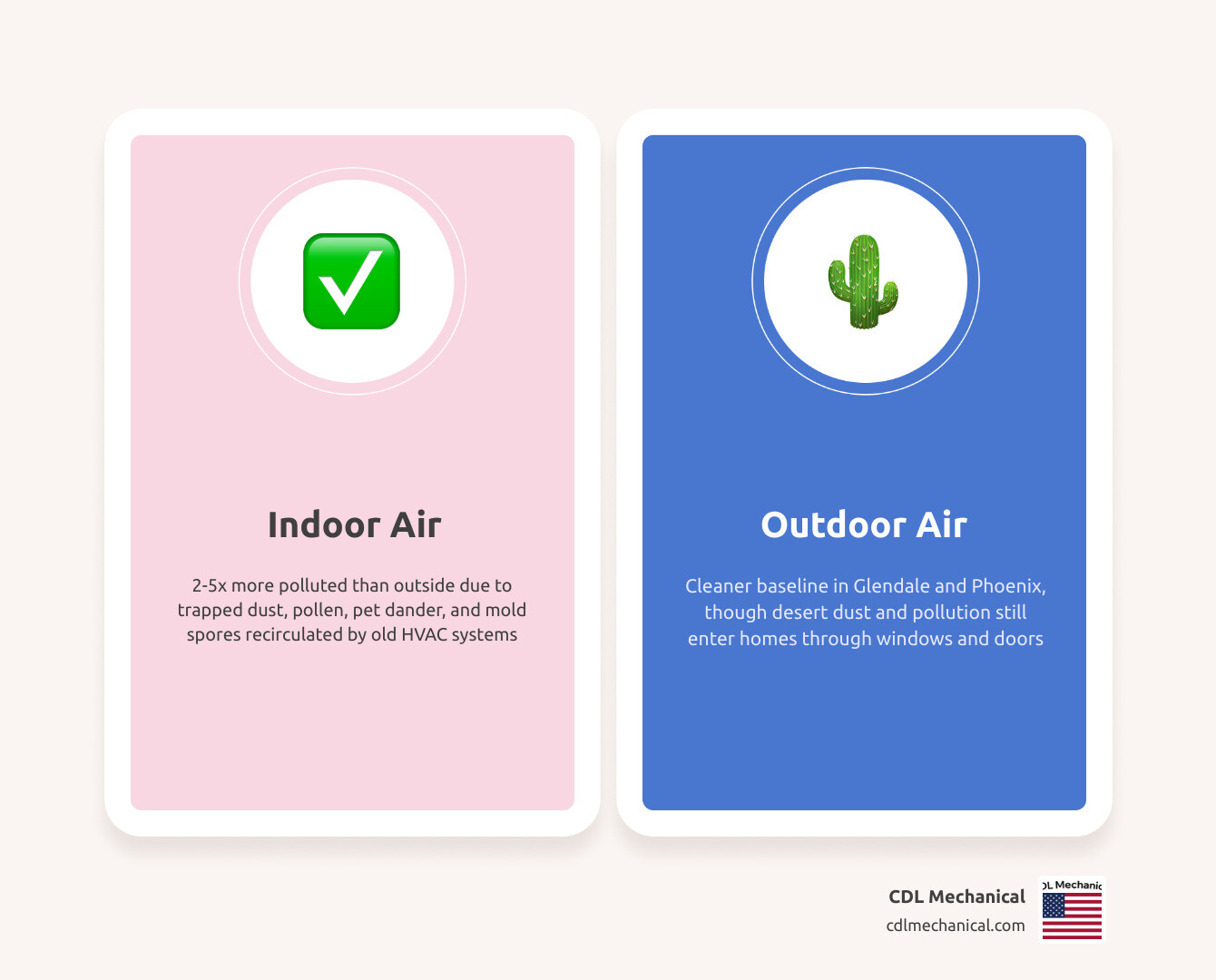
That shift in experience makes sense when you look at the numbers. The air inside your home can be two to five times more polluted than the air outside. Heating and cooling account for nearly half of a typical home’s energy use. And an older, inefficient system is working harder than it should — costing you more while delivering less. A modern, professionally installed HVAC system addresses all of these problems at once, not just the temperature on your thermostat.
I’m Joshua Michael Bartlett, founder of CDL Mechanical and a 20-plus-year veteran of the HVAC trade, and I have seen how the new HVAC benefits beyond comfort transform daily life for homeowners across the greater Phoenix area. In the sections below, I will walk you through every major advantage — from health and air quality to energy savings and home value — so you can make a confident, informed decision about your next system upgrade.
Health and Wellness: New HVAC Benefits Beyond Comfort
When we think about physical wellness, we usually think about diet, exercise, and getting enough sleep. But the quality of the air we breathe plays an equally critical role in how we feel every single day. Because Americans spend roughly 90% of their lives indoors, the air inside our homes has a profound, continuous impact on our respiratory health and immune systems.
In the desert expanses of Glendale, Peoria, and Phoenix, our homes become sealed sanctuaries to escape the searing summer heat. However, a sealed home can also trap airborne irritants. Dust, pet dander, chemical residues, and outdoor pollutants get pulled into our HVAC systems and recirculated. If your current system is older, it may simply be blowing these particles back into your living spaces, aggravating respiratory issues like asthma and chronic allergies.
Upgrading to a modern heating and cooling setup turns your HVAC system into an active air-purification hub. By continuously circulating air through advanced filtration pathways, a new system actively reduces the concentration of airborne pollutants. This constant cleaning loop is one of the most immediate health-related new HVAC benefits beyond comfort you will experience. Discovering the 5 Benefits of Good Indoor Air Quality can help you understand exactly how clean air supports your immune health, boosts cognitive function, and improves your overall quality of life.
If you have ever wondered why your family seems to sneeze more inside than outside, you are not alone. It is a common concern in the Phoenix valley, prompting many to ask: Is Your Home’s Air Quality Worse Than Outside? In many cases, the answer is yes, but a modern, high-efficiency HVAC upgrade is designed to reverse this dynamic and keep your indoor spaces genuinely fresh.
Advanced Filtration and Allergen Reduction
The secret to a modern system’s cleaning power lies in its ability to support advanced filtration media without straining the equipment. Older HVAC systems were built with basic fiberglass filters in mind. These thin filters are only designed to catch large debris like hairballs to protect the internal machinery; they do almost nothing to clean the air you breathe.
Modern high-efficiency systems are engineered to handle dense, high-MERV (Minimum Efficiency Reporting Value) filters, such as MERV 13 or even HEPA-grade options. These advanced filters feature tightly woven pleats that capture microscopic particles, including:
- Pollen and outdoor spores carried in by the dry desert winds.
- Dust mites and pet dander that settle into carpets and upholstery.
- Volatile Organic Compounds (VOCs) from household cleaners and paints.
- Microscopic soot and smoke from nearby wildfires or cooking.
When air flows through these advanced barriers, the difference is immediate. To understand how these filtration systems operate without restricting airflow or increasing energy consumption, take a look at our guide on How HVAC Filters Affect Indoor Air Quality.
Humidity Control as a Key New HVAC Benefit Beyond Comfort
While Glendale, AZ is known for its dry desert climate, humidity control remains a massive factor in maintaining indoor health, especially during our intense summer monsoon season. When moisture levels rise, even slightly, it can create the perfect breeding ground for biological growth, mold spores, and dust mite infestations. Conversely, when the winter air gets too dry, it can irritate your nasal passages and make you more susceptible to respiratory infections.
Modern high-efficiency HVAC systems excel at balanced moisture control. Traditional, older units operate on a simple “on/off” cycle. They blast cold air at full capacity, quickly drop the temperature, and shut off. This rapid cycling (known as short-cycling) does not allow the system to run long enough to pull excess moisture out of the air.
In contrast, modern systems utilize variable-speed blowers that run in longer, gentler cycles. This extended runtime allows the system to continuously pull air across the cold evaporator coil, effectively wringing out excess moisture and keeping your home’s relative humidity in the healthy “sweet spot” of 30% to 50%.
If you suspect your home has hidden moisture pockets or poor circulation, it might be time to investigate further. Homeowners often ask, Is Indoor Air Quality Testing Worth It? Professional testing can pinpoint exact pollutant levels and humidity imbalances, giving you a clear roadmap for your HVAC upgrade.
Financial Gains: Energy Efficiency and Lower Utility Bills

Beyond the physical health benefits, upgrading your home’s comfort system delivers a major financial win. Heating and cooling make up nearly half of the average Arizona home’s energy consumption. When you are running an outdated AC unit during a triple-digit July heatwave in Glendale, those monthly utility bills can quickly skyrocket.
Modern high-efficiency HVAC systems are designed to combat this. By utilizing cutting-edge inverter compressor technology and advanced system designs, today’s units consume significantly less electricity to deliver the same amount of cooling. Upgrading an outdated, single-speed system to a high-efficiency model can reduce your monthly cooling bills by 20% to 40%.
Two key metrics define these energy improvements:
- SEER2 Ratings: The Seasonal Energy Efficiency Ratio 2 (SEER2) measures how efficiently an air conditioner or heat pump operates over an entire cooling season. Older systems in many Glendale homes operate at a 10 to 12 SEER rating. Modern systems frequently range from 16 to over 20 SEER2. Upgrading from a 10 SEER system to an 18 SEER2 model can slash your cooling energy consumption by up to 45%.
- Variable-Speed Motors: Unlike older systems that run at 100% capacity or 0% capacity, variable-speed motors act like cruise control for your home. They automatically adjust their output between 25% and 100% capacity to match the exact cooling load needed at any given moment. This eliminates the massive energy spikes associated with traditional systems starting up repeatedly throughout the day.
If you want to dive deeper into the mathematics of these savings, read our breakdown of Counting the Coins Saved by High Efficiency Equipment. Additionally, to make sense of the industry metrics, check out our guide on Understanding SEER Ratings and Their Importance.
Smart Technology and Zoning Systems
One of the most exciting new HVAC benefits beyond comfort is the integration of smart home technology. When you pair a high-efficiency HVAC system with a smart thermostat and a zoning setup, you gain unprecedented control over your home’s energy footprint.
Zoning systems use automatic dampers inside your ductwork to divide your home into distinct temperature zones (such as upstairs vs. downstairs, or living areas vs. bedrooms). Instead of cooling your entire house to keep one room comfortable, zoning allows you to direct air only where it is needed. In fact, a properly configured zoning setup can reduce your heating and cooling energy use by roughly 21% to 42%.
Modern smart HVAC systems offer several high-tech features that maximize energy savings:
- Geofencing: The system detects when your smartphone leaves the house and automatically adjusts the temperature to save energy, then cools the home back down just as you arrive.
- Learning Algorithms: Smart thermostats study your daily routine and build customized temperature schedules, saving up to 10% annually on heating and cooling costs.
- Remote Access: You can monitor and adjust your home’s temperature from anywhere in the world using a smartphone app.
- Energy Reporting: Track your daily and weekly electricity usage to identify patterns and further optimize your settings.
Tax Credits and Rebates for Glendale Homeowners
To make high-efficiency upgrades even more accessible, the federal government and local utility companies offer substantial financial incentives. Under the Inflation Reduction Act, homeowners who install qualifying high-efficiency heat pumps or air conditioners can claim federal tax credits that offset a significant portion of the installation cost.
Additionally, local Arizona utility providers like APS and SRP offer attractive rebate programs for qualifying SEER2-rated equipment. When you combine these local rebates with federal tax incentives, the upfront cost of upgrading your system becomes much more manageable.
For a complete breakdown of how to claim these savings, read The Arizona Homeowner’s Guide to Inflation Reduction Act Benefits. To find out which specific models meet the efficiency thresholds for these incentives, check out our resource on What HVAC Systems Qualify for Tax Credits and Rebates?.
Boosting Property Value and Resale Appeal
A new HVAC system is not just an ongoing monthly savings mechanism; it is also an investment that builds immediate equity in your property. In the Arizona real estate market, home buyers are highly sensitive to the age and condition of the air conditioning system. A home with an outdated, struggling AC unit is often viewed as a major financial risk.
Conversely, a freshly installed, high-efficiency HVAC system can boost a home’s resale appeal by up to 20%. When potential buyers walk through a home in Glendale or Peoria and see a modern, quiet, energy-efficient system with a transferable warranty, it provides immediate peace of mind. They know they won’t have to face an emergency replacement in the middle of their first desert summer.
During a home inspection, an aging HVAC system is one of the most common red flags that can stall a sale or force a seller to make costly concessions. Upgrading your system before putting your home on the market ensures a smooth inspection process and helps you command top dollar for your property.
Long-Term Reliability and Reduced Maintenance
When you invest in a new, professionally installed HVAC system, you are also purchasing years of predictable, worry-free ownership. A modern system that is sized correctly and installed to precise manufacturer specifications can last between 15 and 25 years with routine maintenance.
Older systems are prone to frequent mechanical breakdowns, which often occur during the hottest days of the year when the system is under the greatest stress. These emergency repairs are not only stressful, but they can also add up quickly over time. A new system backed by a comprehensive manufacturer’s warranty eliminates these unexpected expenses.
To keep your new investment running at peak efficiency and ensure it achieves its maximum possible lifespan, routine care is essential. Learn how simple annual check-ups protect your system by reading about the 5 Benefits of Routine AC Maintenance.
Safety, Reliability, and Environmental Sustainability
Modern HVAC systems are built to meet rigorous safety and environmental standards that older units simply cannot match. If your home relies on an aging furnace or air conditioner, you could be exposed to safety risks and environmental inefficiencies without even realizing it.
For example, older gas furnaces can develop cracks in their heat exchangers over time, creating a serious risk of carbon monoxide leaks. Modern heating systems feature advanced electronic diagnostics, secondary heat exchangers, and automatic shut-off mechanisms that continuously monitor for unsafe operating conditions. If a system detects a combustion issue or a restricted flue, it will shut down automatically to protect your family.
From an environmental standpoint, upgrading your system is one of the most impactful ways to reduce your household’s carbon footprint. Modern systems utilize eco-friendly refrigerants (such as R-410A or next-generation low-GWP alternatives like R-32) that do not contribute to ozone depletion. When you combine these green refrigerants with a 30% reduction in electricity consumption, your home’s overall environmental impact drops dramatically. Learn how to optimize your system for eco-friendly performance in our guide: The Secret to a Lean Mean Green HVAC Machine.
Quiet Operation as a New HVAC Benefit Beyond Comfort
Have you ever had your sleep interrupted by your outdoor AC unit kicking on with a loud metal clatter that sounds like a jet engine taking off? That is a common complaint with older, single-speed systems.
One of the most appreciated new HVAC benefits beyond comfort is the incredibly quiet operation of modern units. Thanks to sound-dampening compressor blankets, swept-wing fan blades, and variable-speed blowers, many modern systems operate as low as 42 dB under normal conditions. To put that in perspective, 42 dB is barely louder than a whisper or a quiet library.
Because variable-speed systems ramp up and down gradually rather than blasting on at full speed, you will no longer experience sudden rushes of wind or loud duct pops. This near-silent operation dramatically improves sleep quality, concentration for work-from-home professionals, and general peace and quiet throughout your home.
Frequently Asked Questions About HVAC Upgrades
How much can I save on utility bills with a new system in 2026?
Most homeowners who upgrade from an older, inefficient system to a modern, high-efficiency model see a reduction of 20% to 40% on their monthly cooling bills. By utilizing variable-speed technology and high SEER2-rated equipment, you can save hundreds of dollars annually, especially during the hot Arizona summer months.
How does a new HVAC system impact my family’s health?
A new system improves family health by serving as a whole-home air filtration system. When paired with MERV 13 or HEPA-grade filters, it continuously captures dust, pollen, pet dander, and microscopic allergens. Additionally, advanced variable-speed motors maintain indoor humidity in the ideal 30% to 50% range, which prevents mold growth and dust mite infestations.
What is the expected lifespan of a high-efficiency HVAC unit?
With professional installation and routine maintenance, a modern, high-efficiency HVAC system can last between 15 and 25 years. Because variable-speed systems run in longer, gentler cycles rather than constantly turning on and off at full capacity, there is significantly less wear and tear on the internal components, resulting in a longer overall lifespan.
Conclusion
Upgrading your home’s heating and cooling system is about so much more than just escaping the Arizona summer heat. The new HVAC benefits beyond comfort touch almost every aspect of your daily life — from the purity of the air your family breathes and the size of your monthly utility bills to the overall safety, quietness, and resale value of your home.
At CDL Mechanical, we are a family-owned HVAC company based in Glendale, AZ, and we specialize in keeping desert homes safe, healthy, and highly efficient. We treat every customer like a member of our own family, delivering reliable, expert service with no pressure and no hidden surprises. Whether you live in Glendale, Peoria, Phoenix, Surprise, Avondale, or any of our surrounding service communities, we are here to help you design the perfect comfort and air-quality system for your home.
If you are ready to experience a cleaner, quieter, and more efficient home, contact us today to learn more about our expert HVAC services in Glendale, AZ and let our team guide you to the perfect upgrade for your family.